
Gen Z and the Gig Economy: The Rise of Micro-Freelancing Among Toronto Students
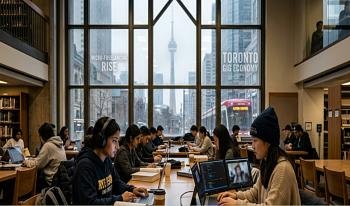


For generations of Toronto post-secondary students, the path to offsetting the cost of higher education followed a highly predictable script. It involved folding shirts in a crowded Eaton Centre clothing store, pouring endless coffees at a campus Tim Hortons, or waiting tables at a busy midtown diner. These traditional roles offered minimum wage, rigid shift schedules, and little to no connection to a student's actual career aspirations or academic field of study.
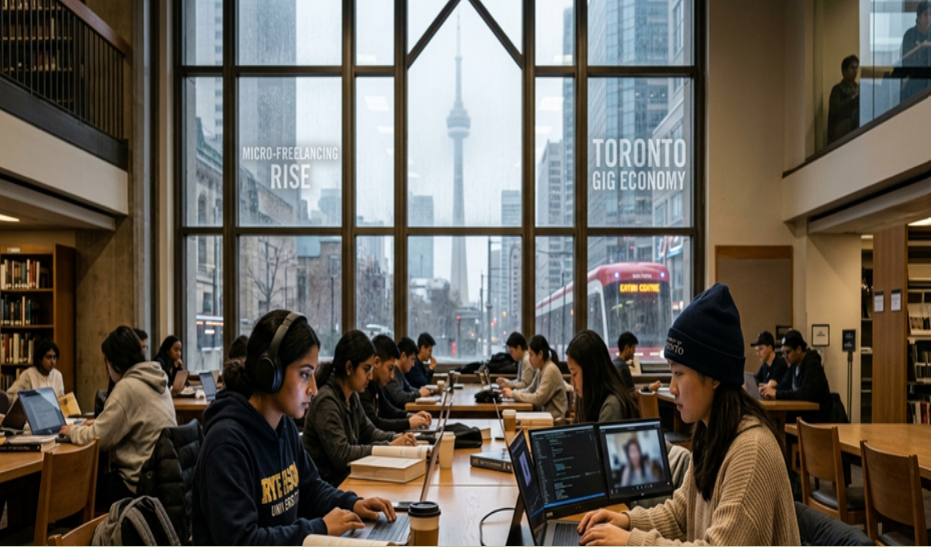
Today, however, a quiet structural revolution is completely reshaping the campus labour market across the city. Faced with an unprecedented cost of living crisis, skyrocketing tuition fees, and a fiercely competitive rental market where basic shared housing costs can easily exceed twelve hundred dollars per month. Gen Z students are turning away from traditional brick and mortar part time jobs. Instead, they are leveraging their innate digital fluency to build highly specialized micro freelancing operations straight from their laptops, transforming cramped dorm rooms and library corners into remote corporate agencies.
The Financial Pressure Cooker
This widespread pivot toward micro freelancing is born out of stark financial necessity rather than simple convenience. Recent economic estimates from major financial institutions place the realistic monthly budget for a student living independently in Toronto between twenty two hundred and thirty five hundred dollars. With the provincial minimum wage failing to keep pace with hyperinflation in grocery stores and basic monthly utilities, working a standard fifteen hour week at a local retail shop no longer covers the bare essentials of urban survival.
Furthermore, traditional retail and hospitality employment lacks the extreme flexibility required to navigate modern, fast paced academic schedules. Micro freelancing allows students to directly monetize hyper specialized skills, such as short form video editing for social media platforms, search engine optimization, digital illustration, and localized translation, on a strict project by project basis.
"The modern student is operating under an immense financial pressure cooker," says Dr. Sam Andrey, Managing Director of The Dais at Toronto Metropolitan University, an institute actively researching urban labour trends and digital literacy. "When you look at the empirical numbers regarding the current cost of housing and living in Toronto, traditional low wage, fixed hour part time work simply does not provide the financial yield or the logistical flexibility that students require to survive both academically and financially in this city."
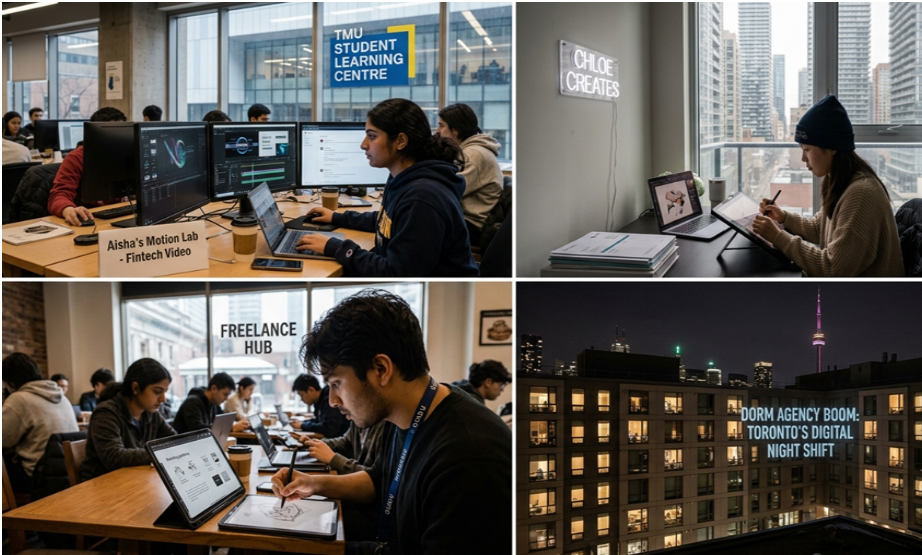
By selling their services globally on online platforms like Upwork and Fiverr students can command significantly higher hourly rates than Ontario's current minimum wage by effectively cutting out the corporate middleman.
Trading the Cash Register for Code
The shift is also deeply tied to long term career strategizing in an increasingly volatile corporate environment. Gen Z students are keenly aware of the precarious nature of the modern job market. By operating as independent digital contractors while still in school, they build robust professional portfolios and international client networks long before they ever receive their diplomas.
A graphic design student at OCAD University can design branding packages for start-ups in Europe, while a computer science major at the University of Toronto can debug code for a technology firm in Vancouver, all while sitting between lectures.
"Students are essentially running sophisticated micro businesses from their lecture halls," notes corporate workforce consultant and labour market economist Alan Cross, who tracks the intersection of youth culture and emerging technology. "They look at a traditional retail position and see dead capital. They look at micro freelancing and see an immediate opportunity to build a digital resume, test different industries, and set their own price ceiling. It is a rational, highly calculated economic response to a very unforgiving urban real estate and labour market."
This shift has created a massive boom in highly specialized digital niches. Instead of offering broad, generalized web design, a student might brand themselves exclusively as a creator of motion graphics for financial technology companies and carving out a lucrative sub sector that commands premium fees.
The Precarious Reality of the Digital Hustle
While micro freelancing offers unprecedented autonomy and earning potential, it is not without significant systemic risks and hidden personal costs. Unlike traditional employment, freelancers lack basic provincial labour protections, such as paid sick leave, predictable income guarantees, workplace insurance coverage, or workplace harassment protections.

The digital marketplace is also highly volatile and hyper competitive. Students must constantly pitch for new contracts, manage difficult clients across multiple time zones, and handle their own complex tax invoicing.
"The digital gig economy provides a magnificent veneer of freedom, but it shifts all the operational and financial risk onto the fragile shoulders of the student," warns labour rights advocate and digital equity expert Rita Fennelly Atkinson. "There is no safety net when a client suddenly refuses to pay or when an algorithm changes, burying a student's freelance profile overnight. It can lead to severe mental health struggles and burnout as the boundaries between study time, work time, and rest time disappear completely."
A Permanent Shift in the Future of Work
Ultimately, Toronto stands at a crossroads regarding how it supports its younger workforce. While universities are beginning to offer campus incubators and freelance networking hubs, systemic support for gig workers remains scarce. The reality of the modern student experience is no longer just about studying; it is about managing a complex portfolio of clients while attempting to maintain a passing grade point average.
Despite these underlying anxieties, the micro freelancing trend shows no signs of slowing down. As Toronto corporations increasingly opt for agile, lean project models rather than hiring full time staff, the market demand for quick and specialized student talent continues to rise. For Toronto’s post-secondary student population, the traditional summer job or evening mall shift is fast becoming a relic of the past. In an era defined by economic precocity and digital acceleration, Gen Z has successfully rewritten the rules of the entry level workforce. The students of today are no longer just preparing to enter the labour market upon graduation, they are actively dictating its terms from their keyboards, one micro contract at a time.

Comments
There are 0 comments on this post