
Underground Under Pressure: The Economic Survival of Toronto’s Underground Music Venues
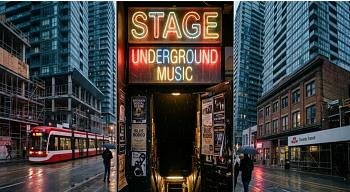
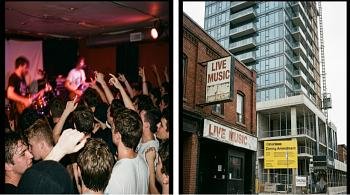
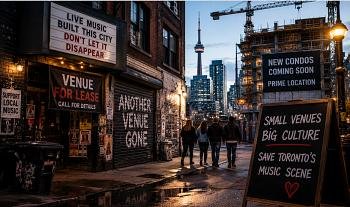

For decades, the sonic heartbeat of Toronto was found down dark basement stairs, behind unmarked alleyway doors, and inside sweat stained rooms holding a few hundred people. Grassroots institutions like the Horseshoe Tavern, Lee's Palace, and the Silver Dollar Room did not just provide a night out; they served as the essential incubators for generations of Canadian musical talent, from Blue Rodeo to Broken Social Scene.
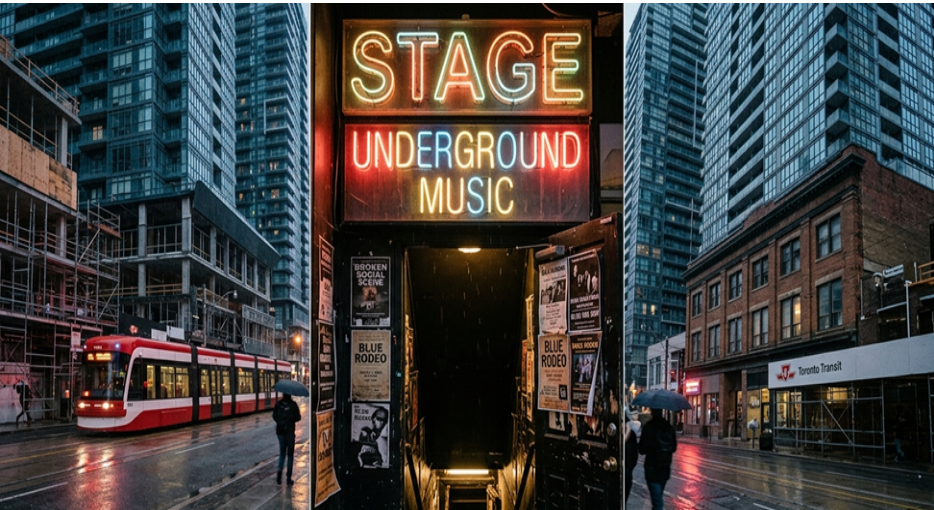
Yet, as the city experiences a towering vertical expansion, the subterranean spaces that birthed its world famous music scene are being systematically crushed. A volatile mix of skyrocketing commercial rents, aggressive condo development, and outdated municipal bylaws has pushed Toronto’s independent music infrastructure to the brink of collapse. Long celebrated internationally as a vibrant "Music City," Toronto is facing an identity crisis as the very cultural spaces that define its nightlife are priced out of existence, forcing the municipal government to deploy unconventional economic lifelines to stem the bleeding.
The Rent is Too Loud
The primary threat to the city's musical ecosystem is the staggering inflation of commercial property values. Unlike residential tenants, commercial operators have no provincial rent control protection. When a neighbourhood gentrifies, landlords frequently double or triple rents upon lease renewal, or sell the underlying land to residential developers eager to erect high rise condominiums.
The pandemic accelerated an already dangerous trend. Historic independent spaces like the Phoenix Concert Theatre and the Velvet Underground have faced severe operational threats, joining a long list of permanently shuttered spaces that includes the Orbit Room, the Hoxton, and the Matador. A comprehensive study conducted by Wavelength Music and the University of Toronto School of Cities revealed that 13 percent of the city's live venues closed permanently during the pandemic era, with 75 percent of local music stakeholders classifying remaining spaces as endangered.
"These spaces aren't just entertainment venues; they're part of Toronto's cultural infrastructure," explains independent music journalist and author Jonny Dover court, highlighting the precarious nature of small stages. "If we let them disappear, we jeopardize both our cultural identity and our global competitiveness."
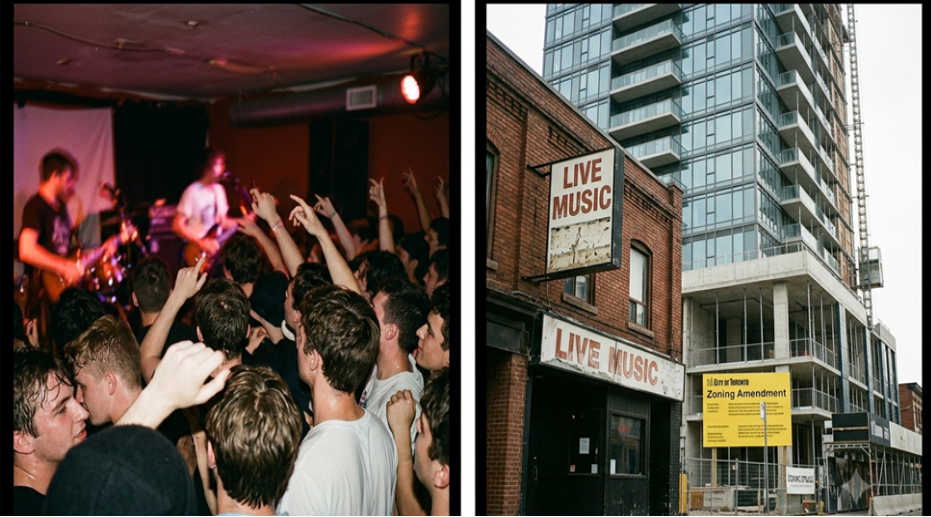
For the venues that manage to survive the rent hikes, the arrival of new residential towers next door often triggers a second, structural crisis: noise complaints. Under current municipal bylaws, newly moved condo residents can file noise infractions against long standing music venues, tying up small business owners in costly legal battles or forcing them to install hundreds of thousands of dollars in soundproofing equipment they cannot afford.
Money Talks, Passion Walks
The reality is that running a small performance space has become a logistical and financial nightmare. Venue operators find themselves acting as promoters, safety coordinators, and building managers while trying to keep ticket and drink prices low enough for young arts communities to afford.
"It's a complex dance, but in the end, money talks," notes veteran Canadian radio broadcaster and music writer Alan Cross when assessing the financial viability of grassroots cultural spaces. "No one wants to operate a venue at a loss, and passion for music can only take you so far."
When a venue closes, the loss ripples across the entire local economy. According to data provided by the City of Toronto, live music venues alone generate an estimated $850 million in annual economic impact and support the equivalent of more than 10,500 full time jobs. Smaller rooms act as the research and development departments for the entire music industry; without them, emerging artists have nowhere to hone their craft, build an audience, or catch the attention of labels.
Subsidizing the Stage: The Music City Strategy
Recognizing that the total loss of these cultural hubs would permanently damage Toronto's global appeal, City Hall has shifted from passive observer to active protector. Under its updated Music Industry Strategy, the city’s Music Office has introduced targeted policy interventions to keep stages solvent.
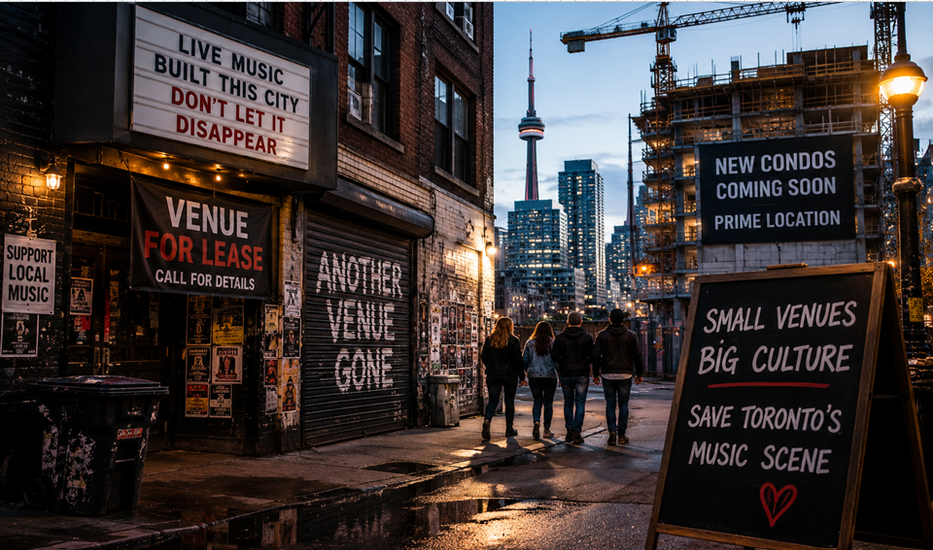
The most impactful weapon in the city's arsenal is the Creative Co Location Facilities Property Tax Subclass. This program offers a massive 50 percent reduction in commercial property taxes for qualifying properties that host live music at least 144 days a year and cap their capacity at 1,500 patrons. Landlords must legally pass these tax savings directly down to their venue operating tenants. For venue owners who have watched their overhead skyrocket, the tax break is a critical shield against displacement.
"Commercial property tax relief for Toronto live music venues won't just help existing venues survive, but has the potential to double the number of our city's venues," says Jeff Cohen, owner of the legendary Horseshoe Tavern and Lee's Palace, who has long advocated for recognizing live music as vital infrastructure. He notes that the program creates "an economic incentive for existing spaces to create new stages for live music, which in turn greatly benefits all local music artists."
Furthermore, the city is exploring the implementation of the "Agent of Change" principle in planning by laws. This policy places the financial burden of sound mitigation on the developer building a new residential complex next to an existing venue, rather than forcing the venue to soundproof itself out of business.
A Crossroads for the Toronto Sound
Ultimately, Toronto stands at a cultural crossroads where it must decide what kind of city it truly wants to be. A metropolis cannot claim the title of a global creative capital if its policy framework only leaves room for bank towers and luxury condominiums. While structural tax relief and updated planning bylaws offer a glimmer of hope, they are merely band aids on a deeper systemic wound caused by unchecked real estate speculation.
The survival of Toronto's underground music scene will require a permanent shift in how municipal leaders value cultural spaces, treating them not as disposable commercial operations, but as essential public goods. If the city fails to protect the basement stages and historic rooms that gave it a unique voice, it risks transforming into a pristine, quiet, and entirely hollow corporate landscape where the music has stopped playing for good.

Comments
There are 0 comments on this post