
The Business Benefits of Proactive Water Treatment in Canada's Mining Sector
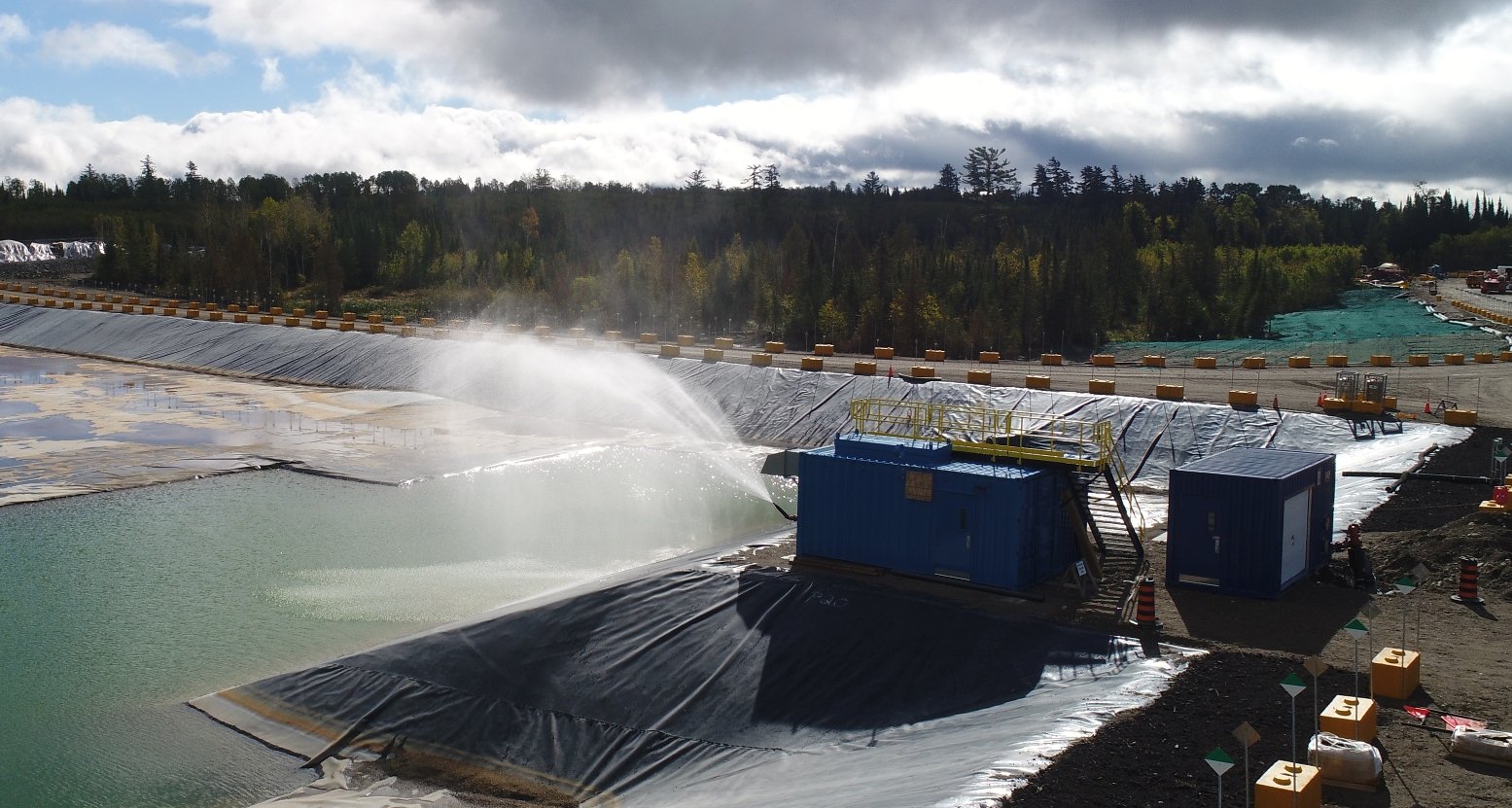

The argument for proactive mine water treatment used to be primarily an environmental one. Take care of the water because it is the right thing to do for the ecosystem downstream. That argument is still true and still relevant. But the business argument has strengthened to the point where it now stands independently, and for mining companies making capital allocation decisions, the business argument is the one that tends to move things.
1. Proactive Treatment Costs Less Than Reactive Remediation
This is the central financial reality of the water management decision. Prevention programs through established mine water treatment solutions, designed and implemented before a contamination event occurs, carry known capital and operating costs. Remediation programs, imposed after a contamination event, carry open-ended costs that have historically exceeded prevention costs by significant multiples.
The mining companies that understand this treat water treatment as a capital investment with a measurable return rather than an overhead to be minimized.
2. Regulatory Compliance Is Cheaper When It Is Planned
Environmental regulation in Canada's mining sector has moved consistently toward more comprehensive requirements with higher penalties for non-compliance. Operations that build treatment infrastructure ahead of regulatory requirements do so during periods of operational stability and favorable financing conditions. Operations that build in response to regulatory pressure do so on compressed timelines with less favorable terms and often with penalty costs accumulating in parallel.
The operations that planned ahead are not being rewarded for environmental virtue. They are experiencing the financial outcome of having made a forward-looking capital decision rather than a reactive one.
3. Access to Capital Has Changed
Environmental, social, and governance criteria now apply to project financing in Canadian capital markets in ways that were not present a decade ago. Institutional investors with ESG mandates apply water management standards to their portfolio companies. Project finance lenders include water management conditions in their terms. Mining operations that cannot demonstrate responsible water management face a more expensive and more limited capital market than those that can.
The treatment program that previously looked like a compliance cost now also looks like a prerequisite for capital access, which changes the return on investment calculation considerably.
The operations that planned ahead are not being rewarded for environmental virtue. They are experiencing the financial outcome of having made a forward-looking capital decision rather than a reactive one. Beyond institutional lenders, insurance markets have also moved in this direction. Mine sites with documented water management programs and clean discharge histories secure environmental liability coverage at better rates than sites without that record, which adds another line item to the proactive treatment return.
4. Operational Continuity Has Real Value
A mining operation interrupted by a contamination event, whether through regulatory enforcement action, community legal challenge, or the logistical disruption of an emergency remediation program, loses production at costs that are usually not fully recoverable.
The treatment program that prevents the event is not just preventing an environmental harm. It is protecting the production schedule.
Conclusion
Proactive mine water treatment in Canada's mining sector produces business benefits that stand independently of the environmental case. Lower remediation exposure, planned compliance costs, improved capital access, and protected production schedules are the financial reality of water management done ahead of necessity rather than in response to it.

Comments
There are 0 comments on this post