
Transgender: A deep dive into the do’s and don’ts of dating trans women
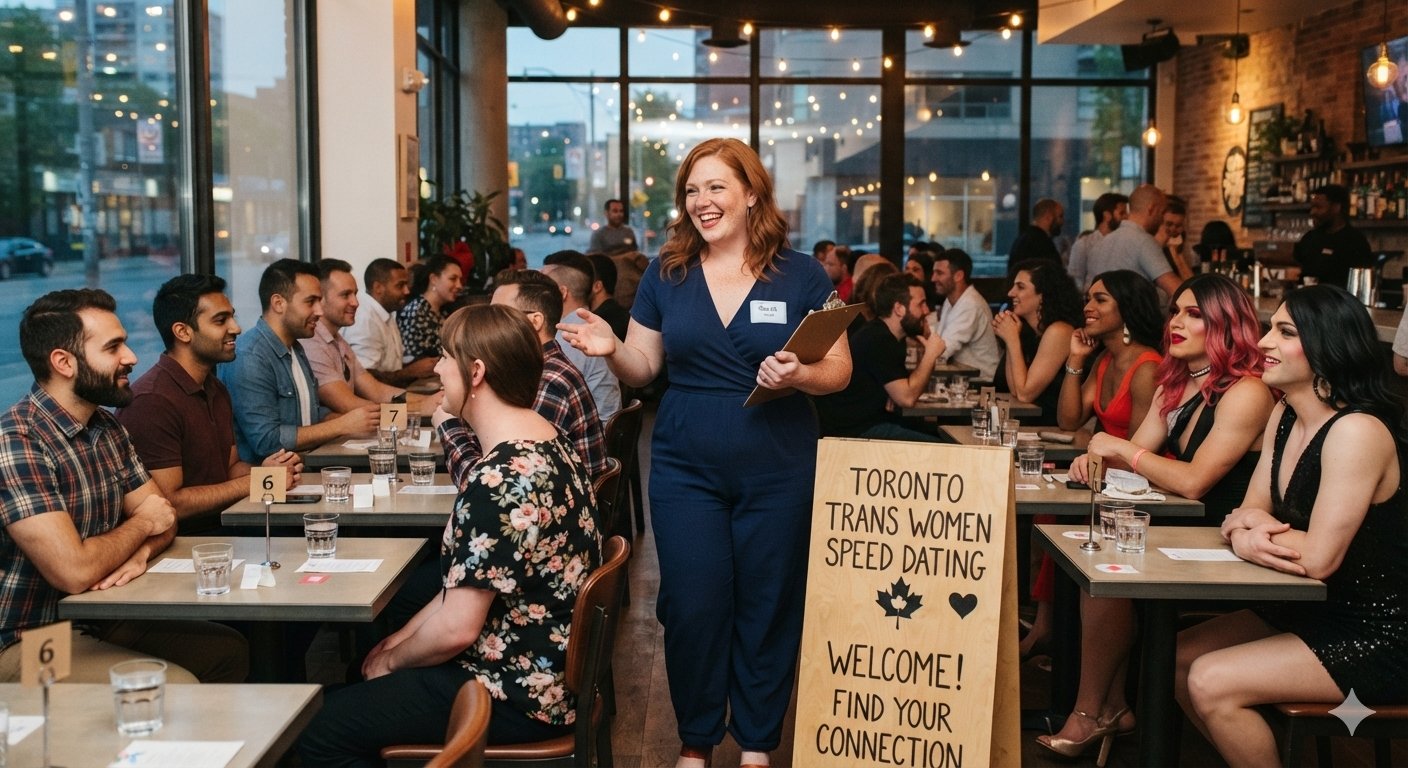


When it comes to romantic relationships between cisgender men and transgender women, society often drops a heavy curtain of stigma, secrecy, and profound misunderstanding. Transgender women face disproportionate rates of social isolation and marginalization. In the dating world, they are frequently subjected to a paradoxical mix of intense public rejection and private hyper-fixation. For a relationship in this dynamic to succeed, it cannot rely on passive affection. It requires active emotional maturity, independent self-reflection, and unyielding respect.
Navigating this terrain means moving past superficial tropes and learning how to build an honest, healthy, and visible connection. Drawing insight from foundational discussions on modern intersectional relationships, including Coveteur's Guide to Dating a Trans Woman, we can map out a comprehensive guide to the essential do's and don'ts for cisgender men looking to date trans women respectfully.
1. Do Prioritize Personality Over Anatomy
A healthy relationship begins by recognizing your partner as a whole human being rather than a collection of physical attributes or a medical history. When getting to know a trans woman, focus on the core elements that define any genuine connection: her intellect, her sense of humour, her core values, her ambitions, and her unique quirks.
Far too often, cisgender men approach trans women with an immediate, exhausting focus on their transition timeline or physical body. True intimacy thrives when you treat her early courtship with the same standard you would give any other woman. As outlined in the fundamental dating steps on Everyday Feminism, centre your conversations around who she is today, what drives her, and how your personalities mesh.
2. Do Your Own Self-Reflection Independently
Many cisgender men internalize toxic societal narratives regarding masculinity and sexuality. When they find themselves attracted to a trans woman, they may experience internal conflict or anxiety about how they will be perceived by their peers. It is entirely your responsibility to unpack, process, and dismantle these insecurities on your own time.
Do not force your partner to carry the emotional weight of your existential hang-ups or validate your masculinity. A trans woman is not a tool for your self-discovery, nor is she responsible for curing your internalized shame. Read community perspectives, listen to educational discussions, or read the relationship blueprints offered by Transfemme to work through your perspective before bringing emotional baggage into her life.
3. Do Respect Her Bodily Autonomy and Pacing
Every person has completely unique boundaries, comfort levels, and preferences regarding physical intimacy. This is deeply true for trans individuals who may navigate varying degrees of gender dysphoria. Let your partner take the absolute lead on how she refers to her own anatomy, what terms she prefers, and what boundaries are non-negotiable.
Discuss physical intimacy openly but gently. Ensure that she signals when it is safe and appropriate to have those conversations. According to the foundational respect guidelines on Little Gay Book, respecting her autonomy means accepting a boundary instantly. Do this without pressuring her, questioning her decisions, or making her feel guilted into compromising her comfort.
4. Do Stand Up as an Active Ally
Dating a trans woman means stepping out of the bubble of cisgender privilege and recognizing the systemic biases she navigates daily. True partnership requires you to be an active ally, both when she is in the room and, perhaps more importantly, when she is not.
If friends, family members, or colleagues make transphobic jokes, use incorrect pronouns, or exhibit casual bigotry, it is your job to speak up and correct them. As emphasized in the relationship rules published by GQ, remaining silent to avoid awkwardness or protect your own comfort is a betrayal of your partner's trust. Showing up for her means protecting her peace and validating her lived experiences.
1. Don’t Ever Keep Your Relationship a Secret
One of the most pervasive and deeply damaging experiences trans women face in the dating pool is the "closeted" boyfriend. Many men are entirely willing to express affection, spend money, and build deep emotional or physical connections in the safety of private spaces, only to completely ignore or hide their partner when stepping out into the public eye.
Treating a trans woman as a hidden hobby or a "guilty pleasure" is incredibly dehumanizing. Never hide your relationship out of fear of what others might think. As noted in real-world love stories shared by the BBC, she deserves to be integrated into your life, taken out on real dates, introduced proudly to your friends, and celebrated openly. If you are not ready to hold her hand in public, you are not ready to date her.
2. Don’t Fetishize, Objectify, or Treat Her as a Fantasy
There is a massive, critical difference between genuine romantic attraction and fetishization. Fetishization occurs when a person reduces a trans woman to an adult fantasy, an exotic checkmark on a sexual bucket list, or a taboo experiment. This type of objectification strips away her humanity and reduces her to a caricature.
Avoid asking hyper-sexualized questions early on, and completely banish inquiries about surgeries, medical procedures, or genitalia from your initial dating vocabulary. A trans woman wants to know that you are attracted to her, the individual, not just an idealized concept of what you think a trans woman is. Check out the communication frameworks on Feeld to learn exactly what intrusive topics to avoid.
3. Don’t Disclose Her Trans Status Without Explicit Consent
Outing a trans woman to anyone—whether it is your best friend, a family member, or a stranger on the street—is a severe violation of privacy and a direct threat to her personal safety. We live in a world where anti-trans violence is a reality, and disclosing her medical history without her permission can place her in immediate danger.
Her identity and her transition journey are her stories to tell, and she alone owns the right to choose who gets access to that information. Never assume it is okay to share her status. Unless she gives you explicit, unambiguous permission to tell someone, keep that information entirely confidential.
4. Don’t Expect Her to Be Your Personal Educator
While it is wonderful to want to understand her world, do not treat your partner as a walking encyclopedia for all things transgender. Expecting her to constantly explain terminology, political issues, medical nuances, or institutional trauma places an unfair emotional tax on her.
Take the initiative to educate yourself. The internet is filled with incredible, free resources, essays, and educational content created by trans individuals. Read articles, follow trans creators, and learn about the community's history and contemporary struggles on your own time. When you are with your partner, she can focus simply on being your girlfriend.
Ultimately, dating a trans woman requires the exact same foundational ingredients as any successful relationship: vulnerability, honesty, mutual respect, and love. The added layer of complexity comes not from her identity, but from a society that seeks to complicate it with prejudice and shame. By refusing to let external stigma dictate your actions, doing your internal work, and standing proudly by her side, you pave the way for a deeply fulfilling partnership built on a rock-solid foundation of mutual respect.

Comments
There are 0 comments on this post